Charles Frèger


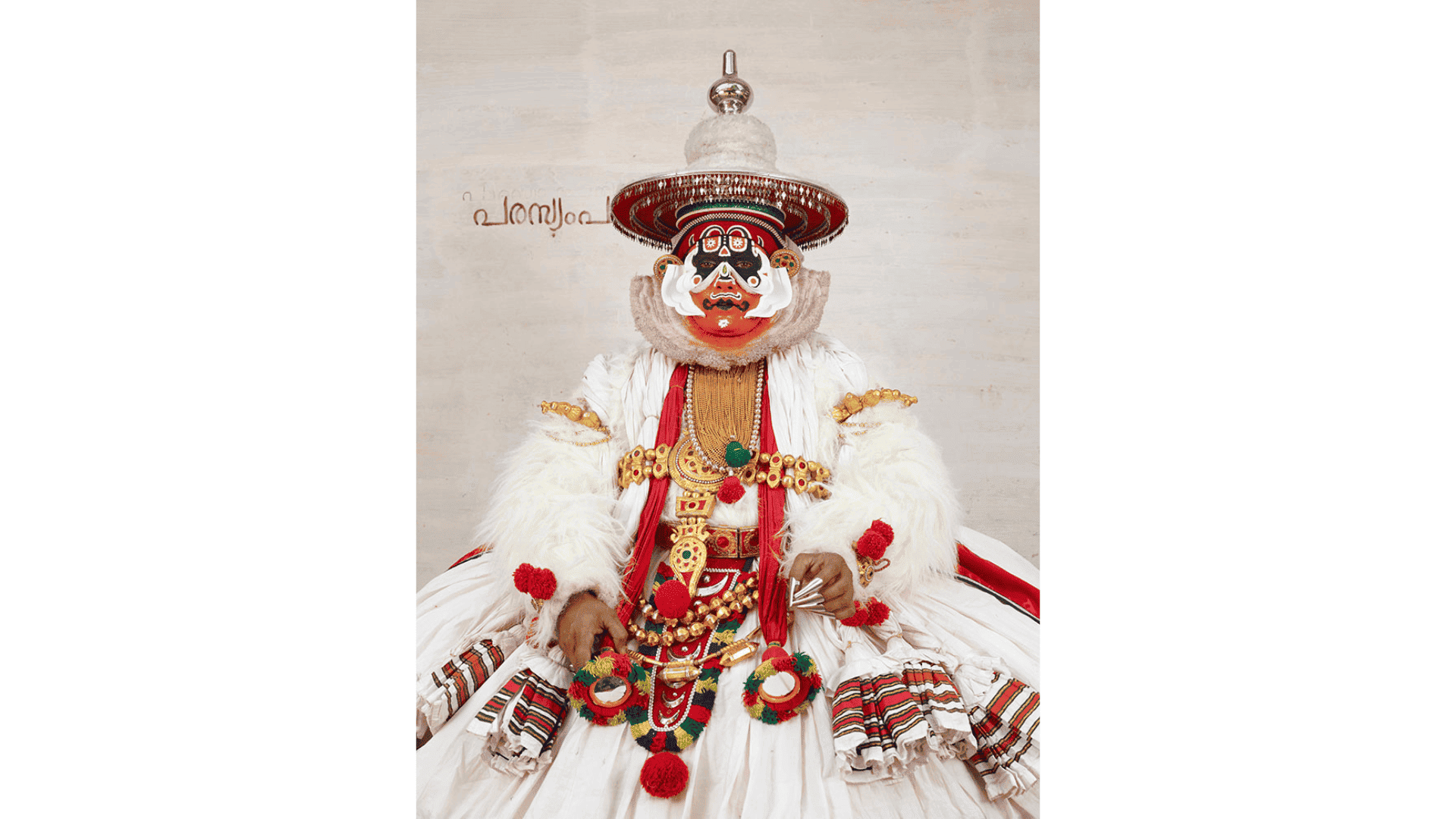
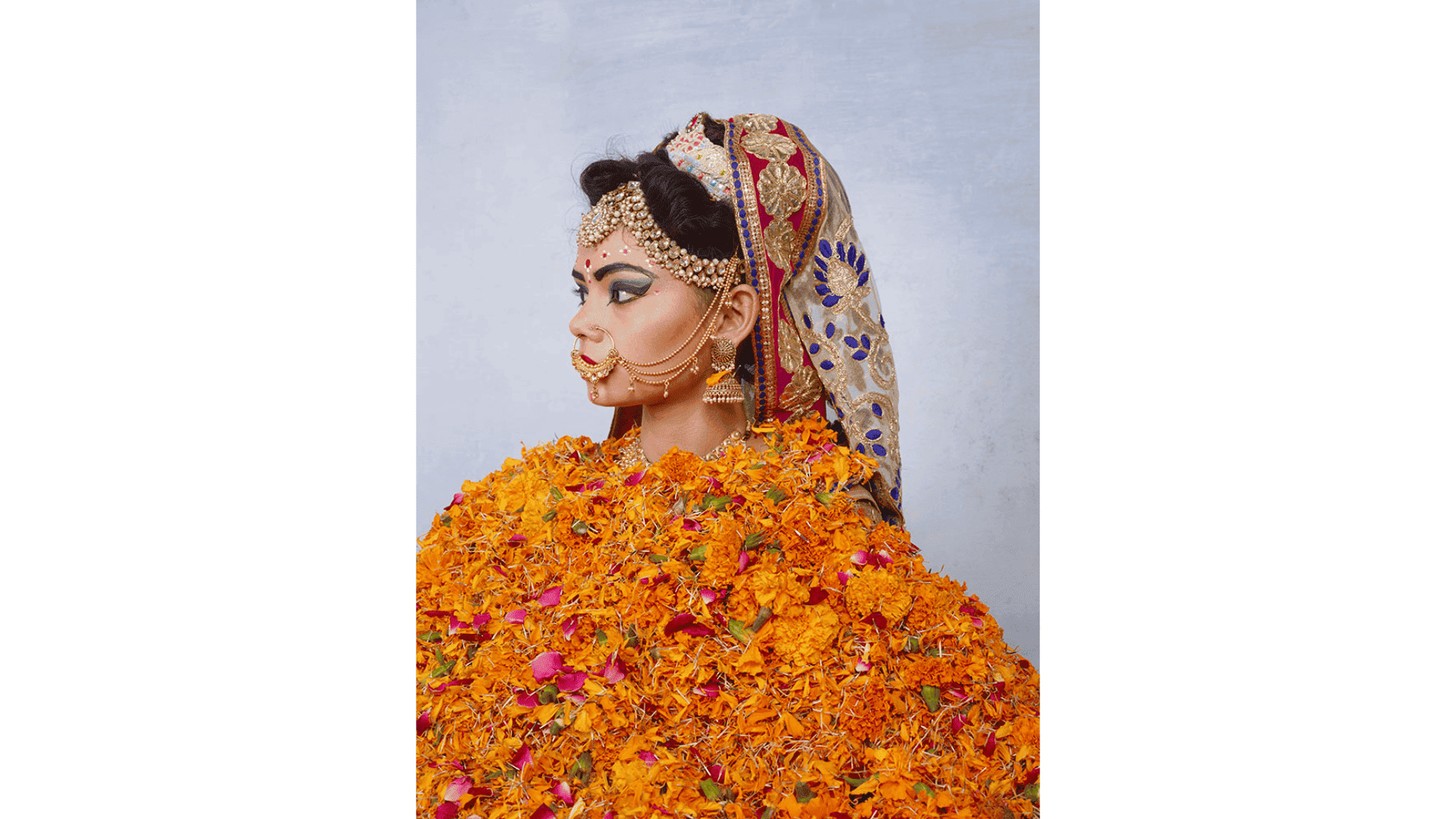
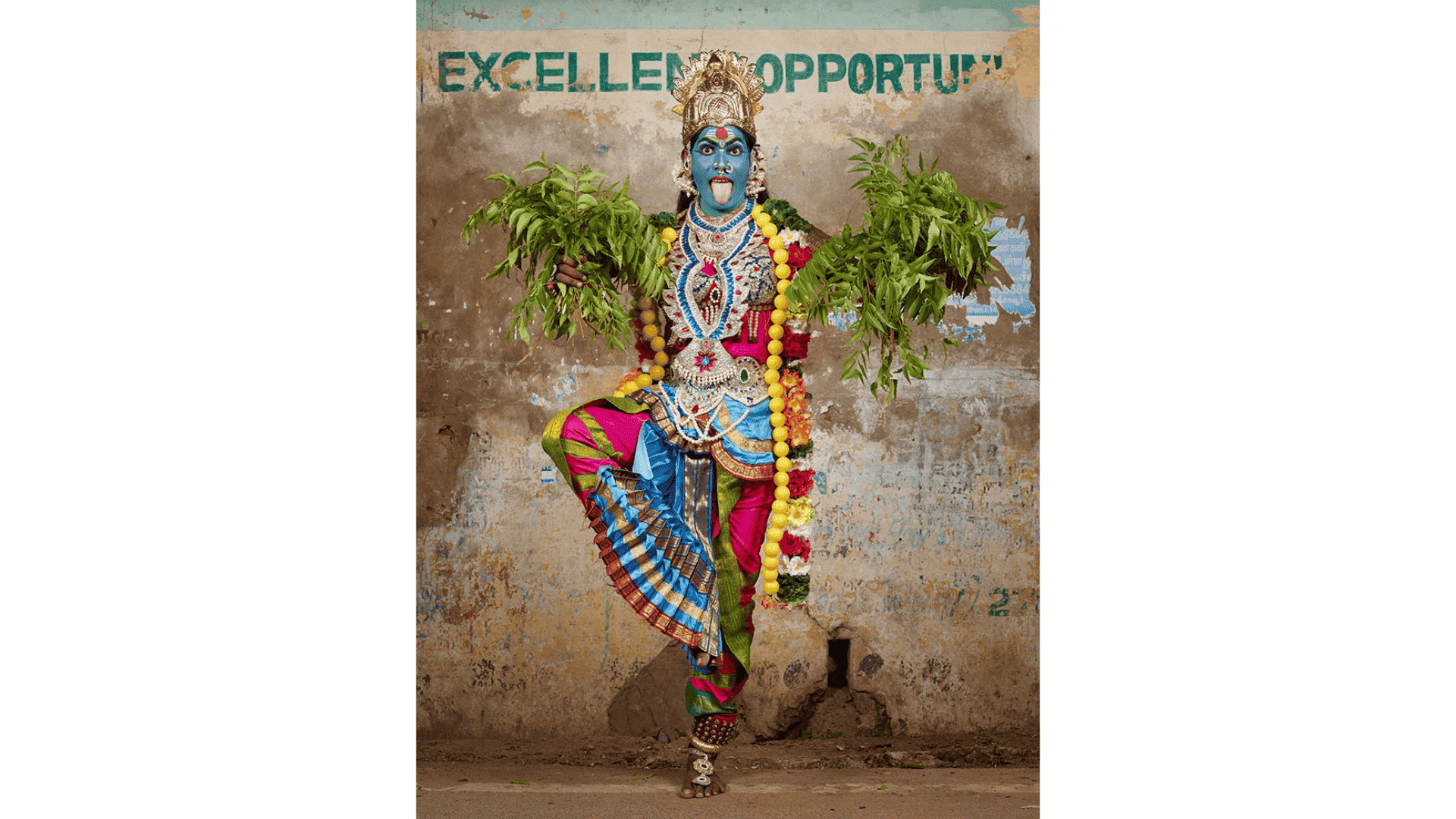
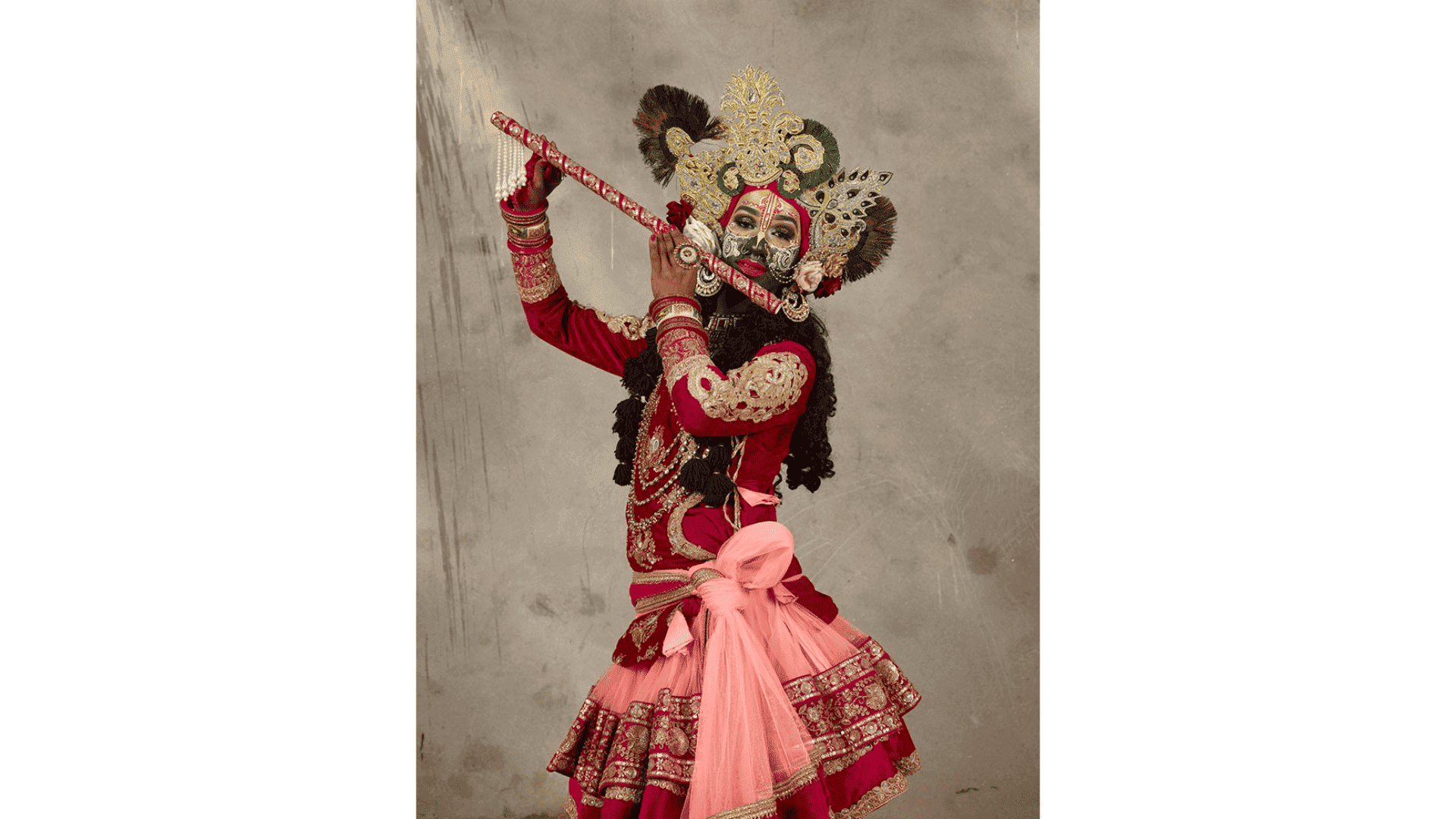
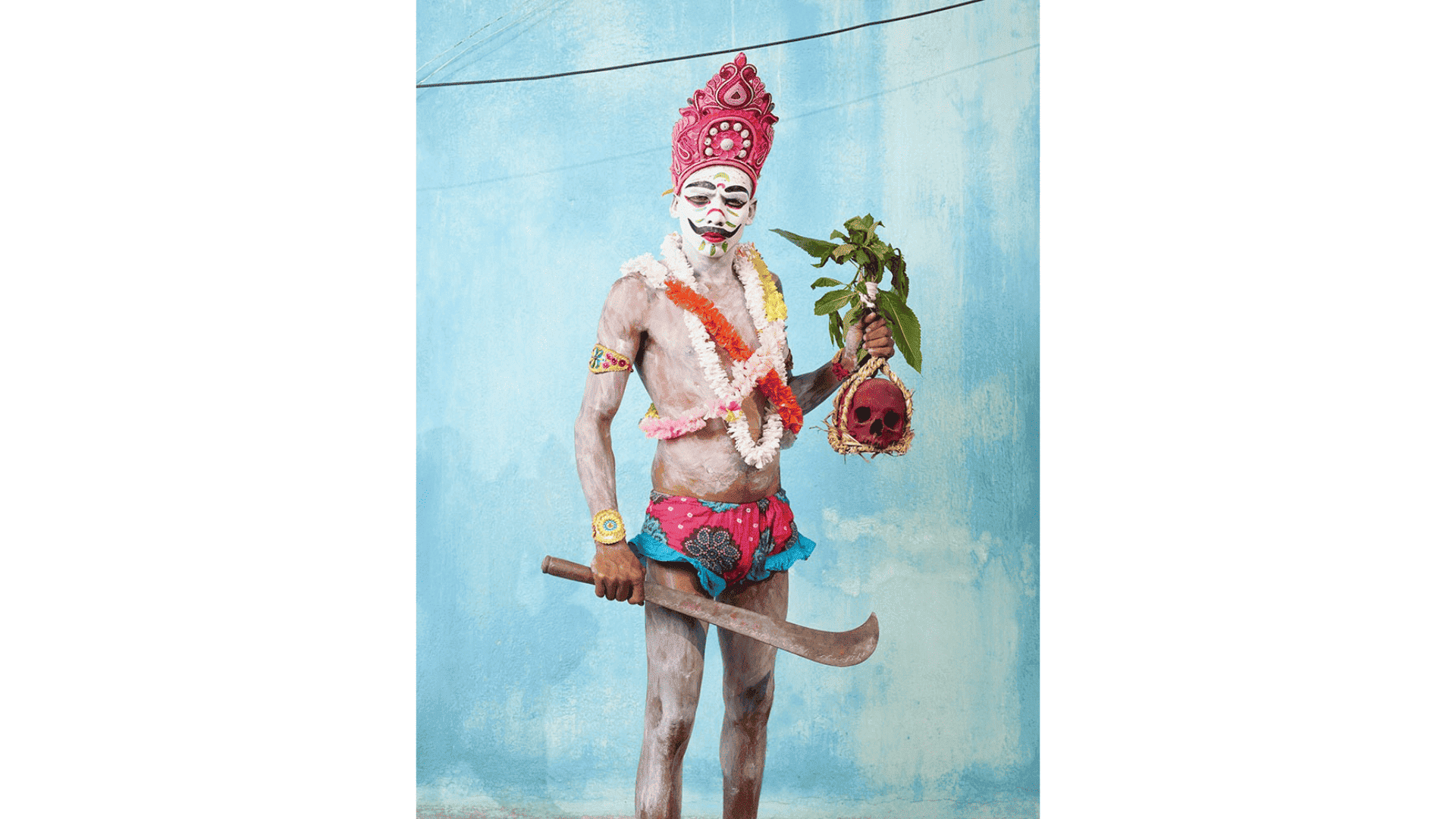
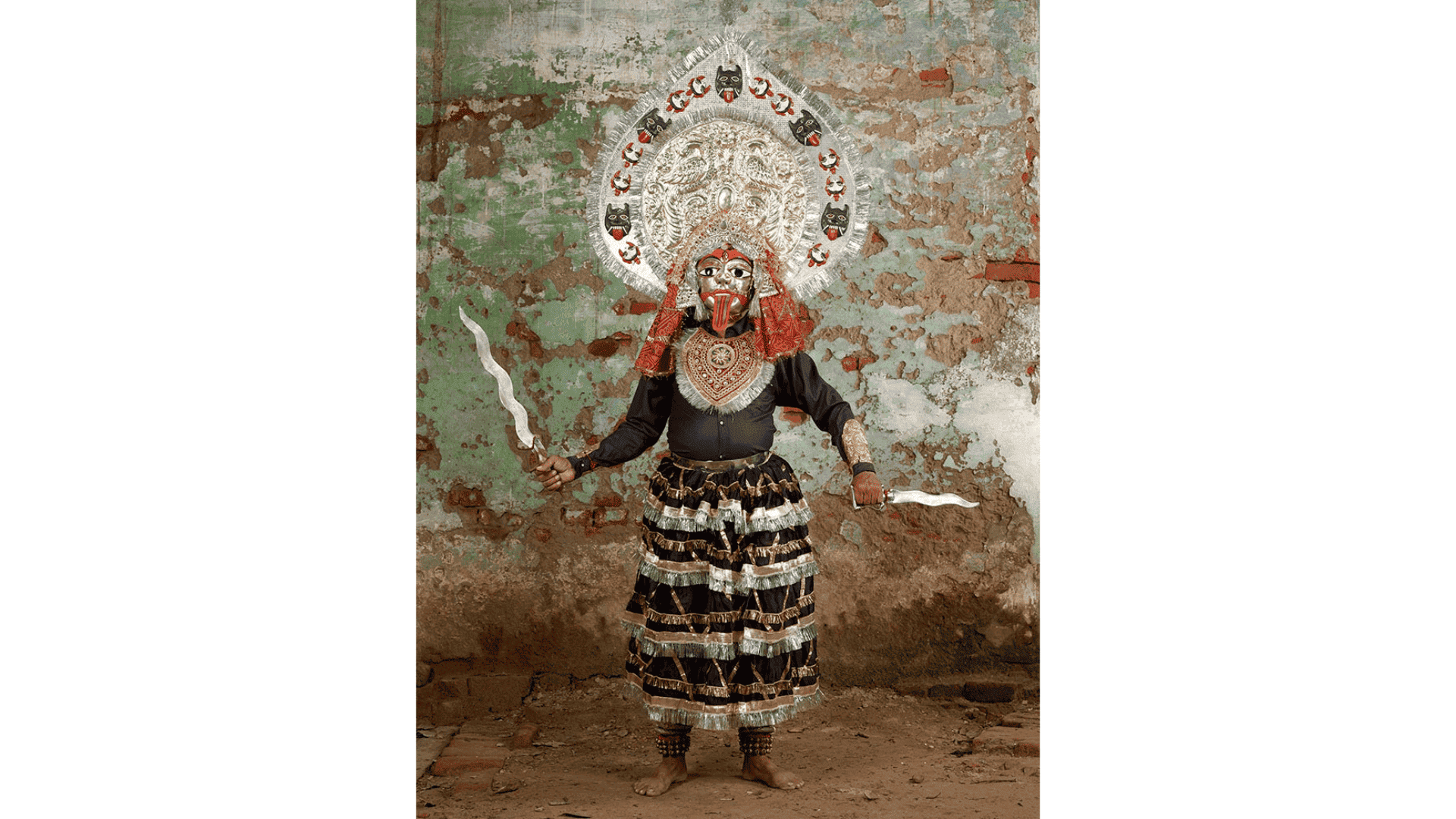
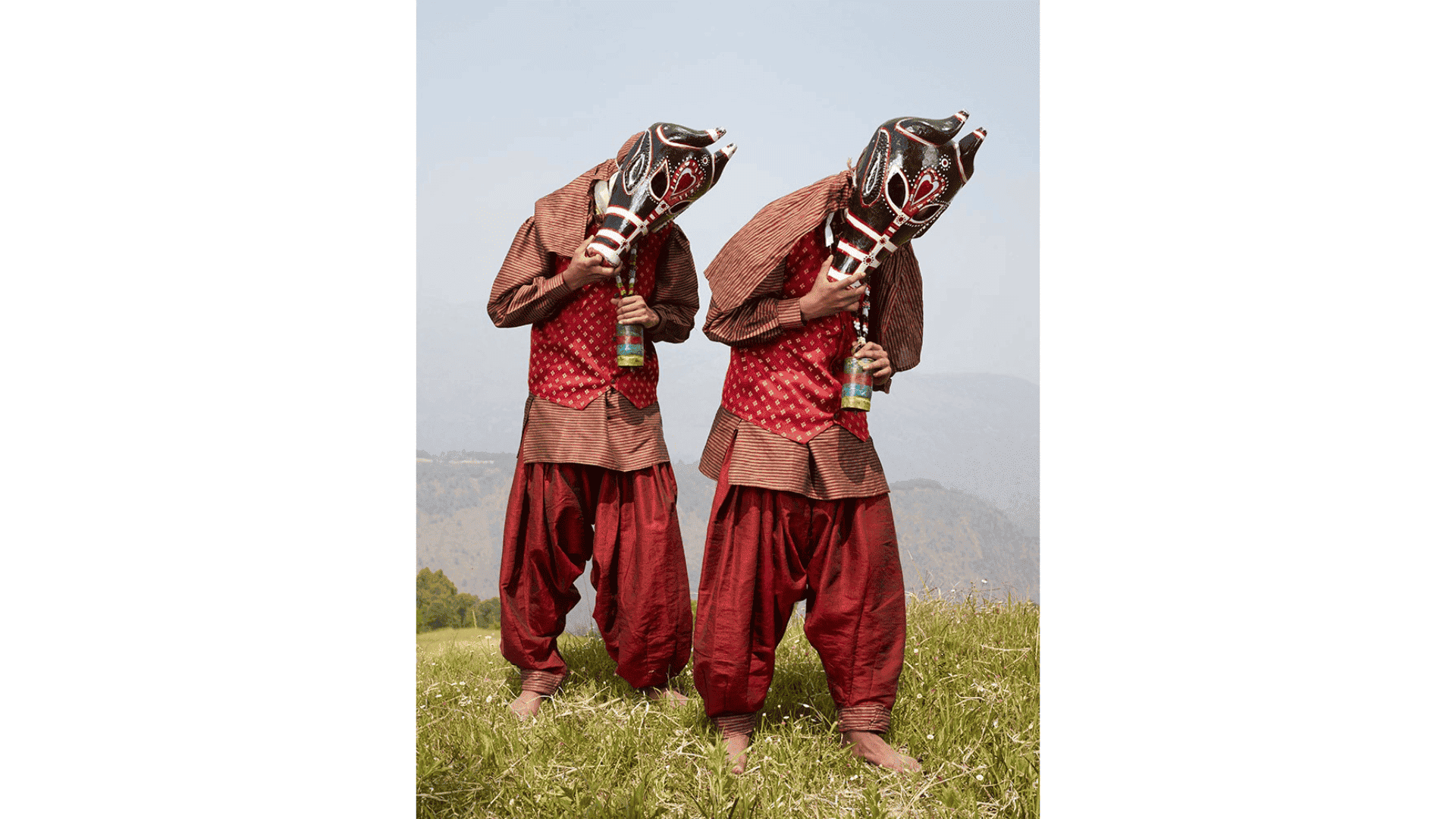
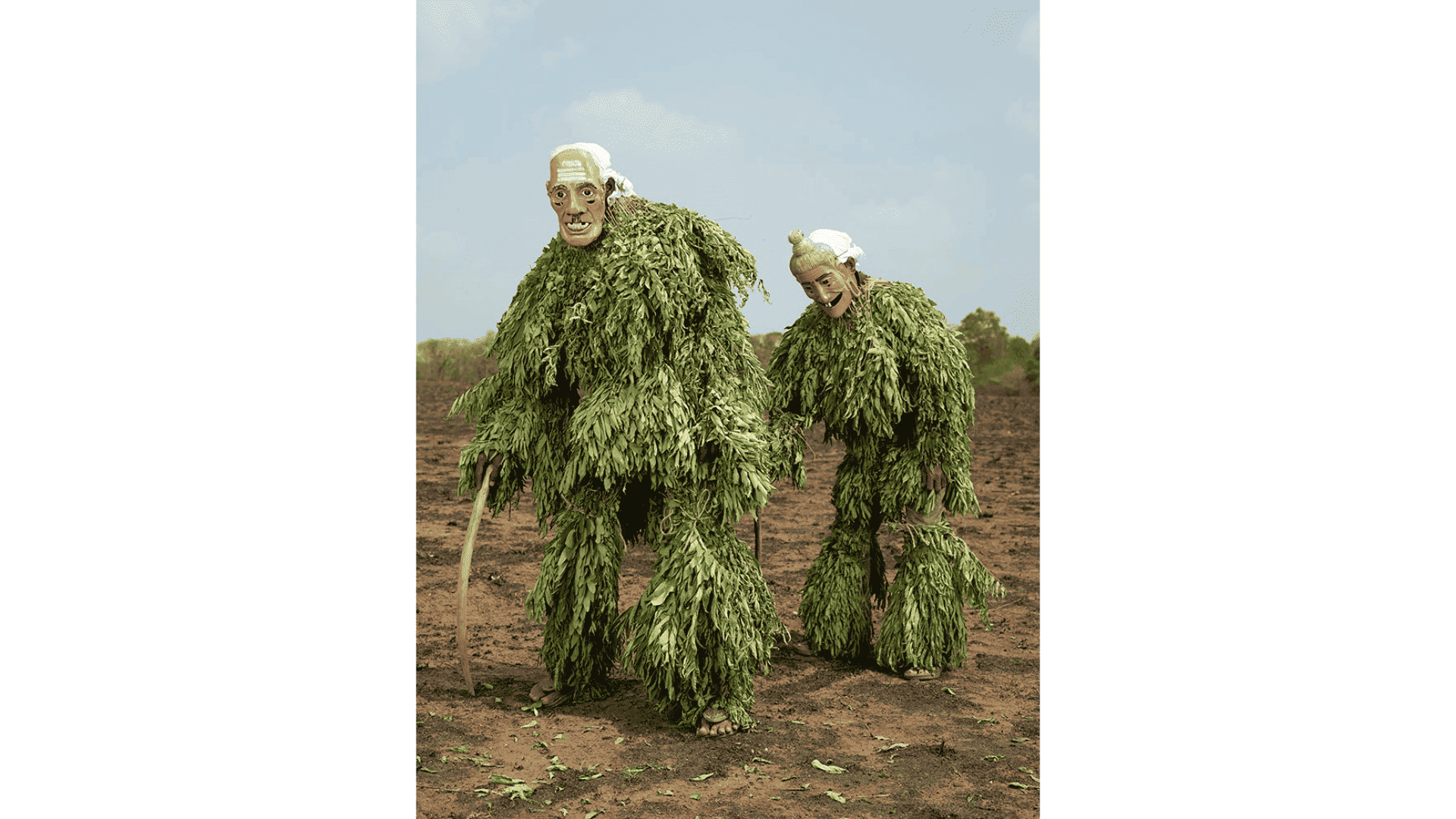
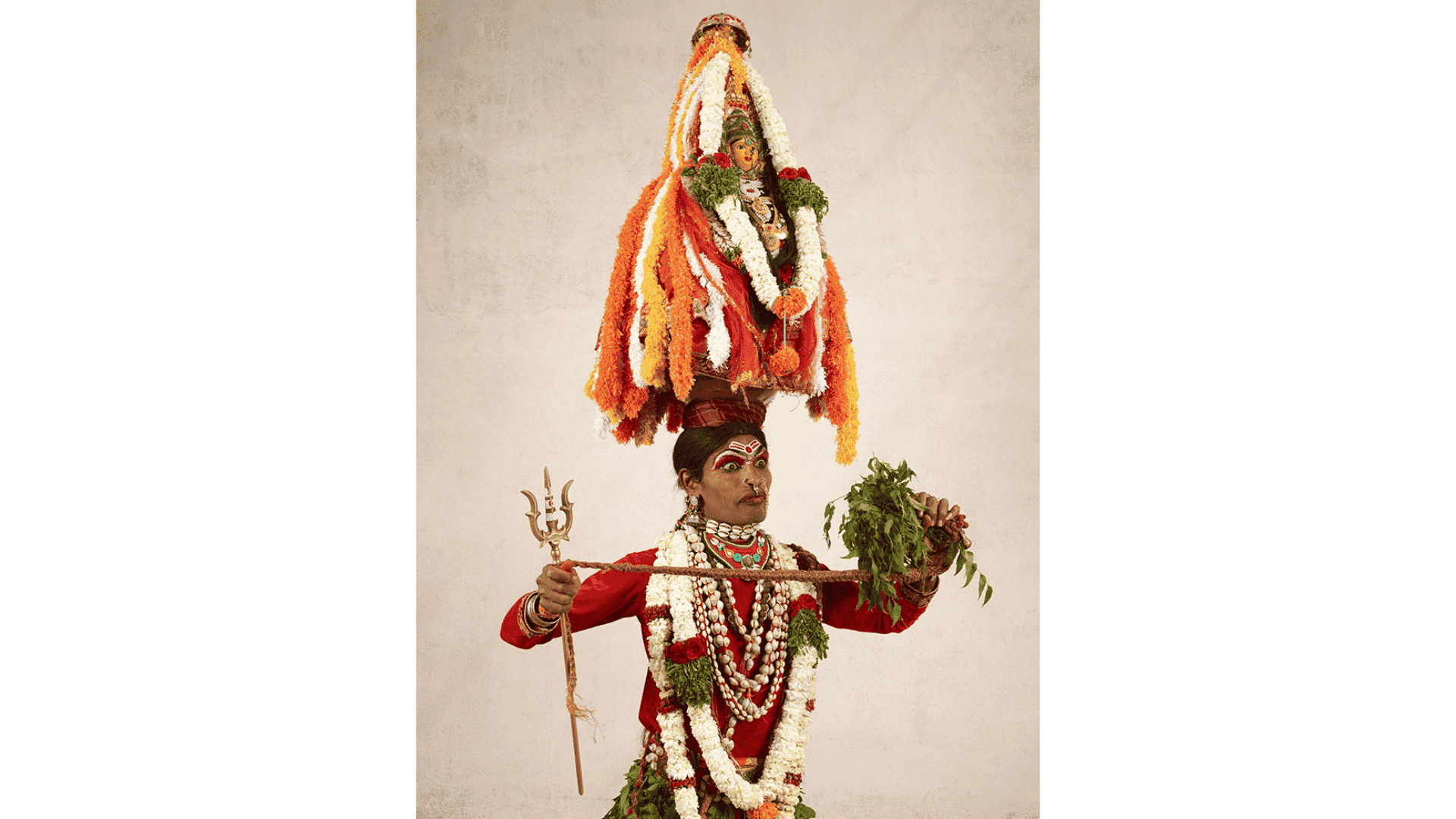
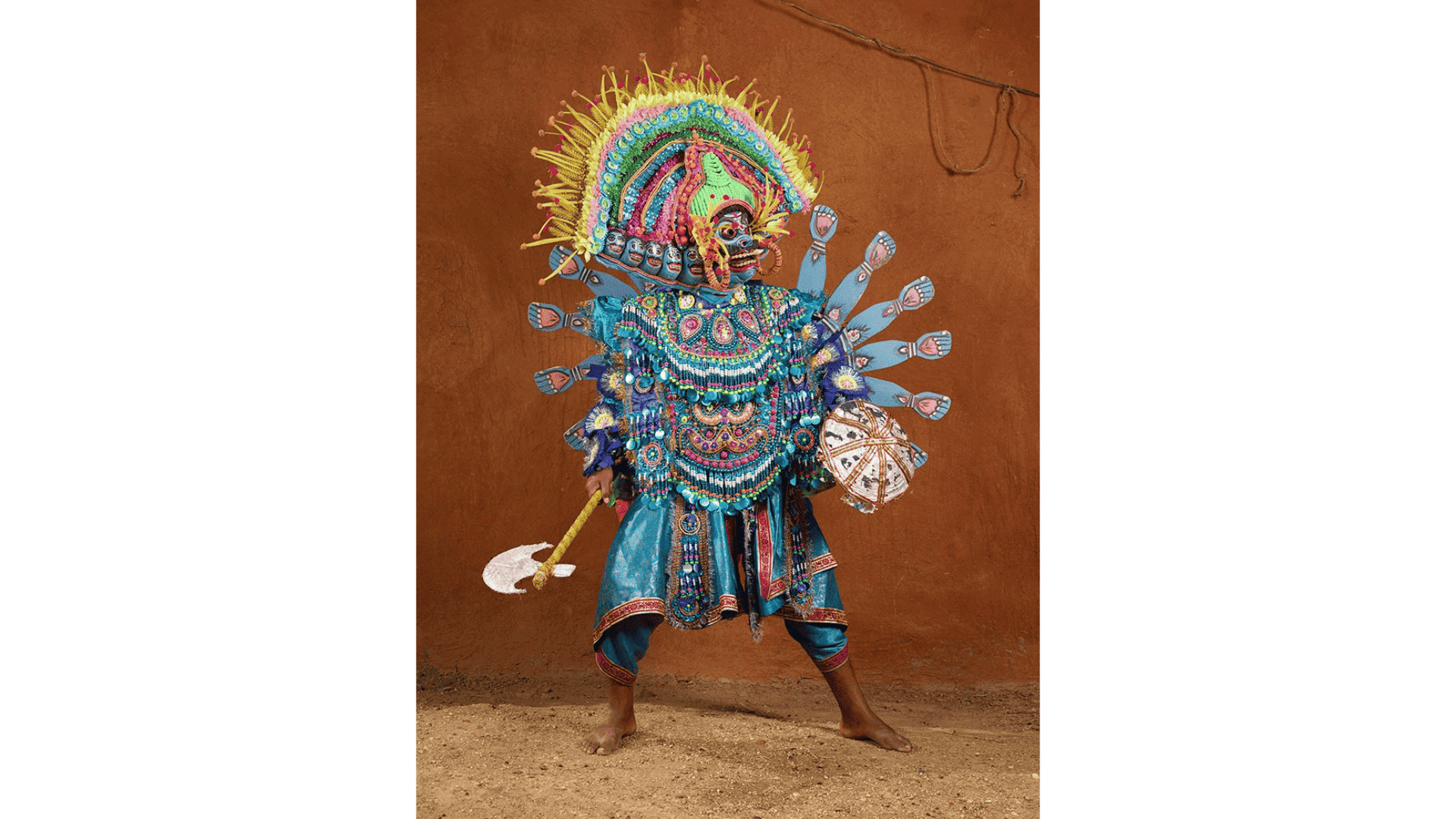
Distancing himself from portraiture as he had practiced it up to then: after the uniform, linking to the community, he turned to costume as a vehicle for embodiments of a becoming-animal, vegetal. Since 2010, he has devoted four books to masquerades: Wilder Mann, dedicated to the European continent (2010-), Yokainoshima (2013-2015), located on the Japanese archipelago, Cimarron (2014-2018) anchored in the territories of the Americas and finally Aam Aastha (2019-2022), in India.
At the same time, since 2015, he has been exploring another avenue, through silhouetted photography. He takes as his subject the figures of a common visual culture. Among them, Joan of Arc and her epic. Essentialising the figure to its contours, the subject became the image and its historical fortune: no longer the figure of Joan, but her representations, her “uses”. The work is nourished by iconographic research, deliberately mixing the erudite and the popular, blending the medieval and the 21st century.
Charles Fréger, born in 1975, lives in Normandy, France. In recent years, he has exhibited at the Musée d’histoire de Nantes, the Musée des confluences (Lyon), the Armani Foundation (Milan) and the Rencontres d’Arles. Three books were published in 2023: Aam Aastha, Incarnations et divinités en Inde (Thames & Hudson/Actes Sud/ Seigensha); La Suite Basque (L’Artière); Souvenirs d’Alsace (Musées de Strasbourg). Over the past twenty years or so, Charles Fréger has developed a dense and singular body of work, with almost encyclopedic ambitions. The large body of photographs he has built up since 1999 testifies to his insatiable quest: to go out into communities, whether sporting, military, festive or scholastic, to consider the individuals who make them up, to detect the links, rituals and forms that unite them. In each of these circles, Charles Fréger focuses on the body and clothing as ambivalent territories. There, then, lies the image he seeks. Long assembled under the generic title of “Photographic Portraits and Uniforms”, the work initially revealed itself to be heir to a certain Nordic tradition. Augmented by performances and videos, it evolved, eventually reaching a fundamentally theatrical dimension.
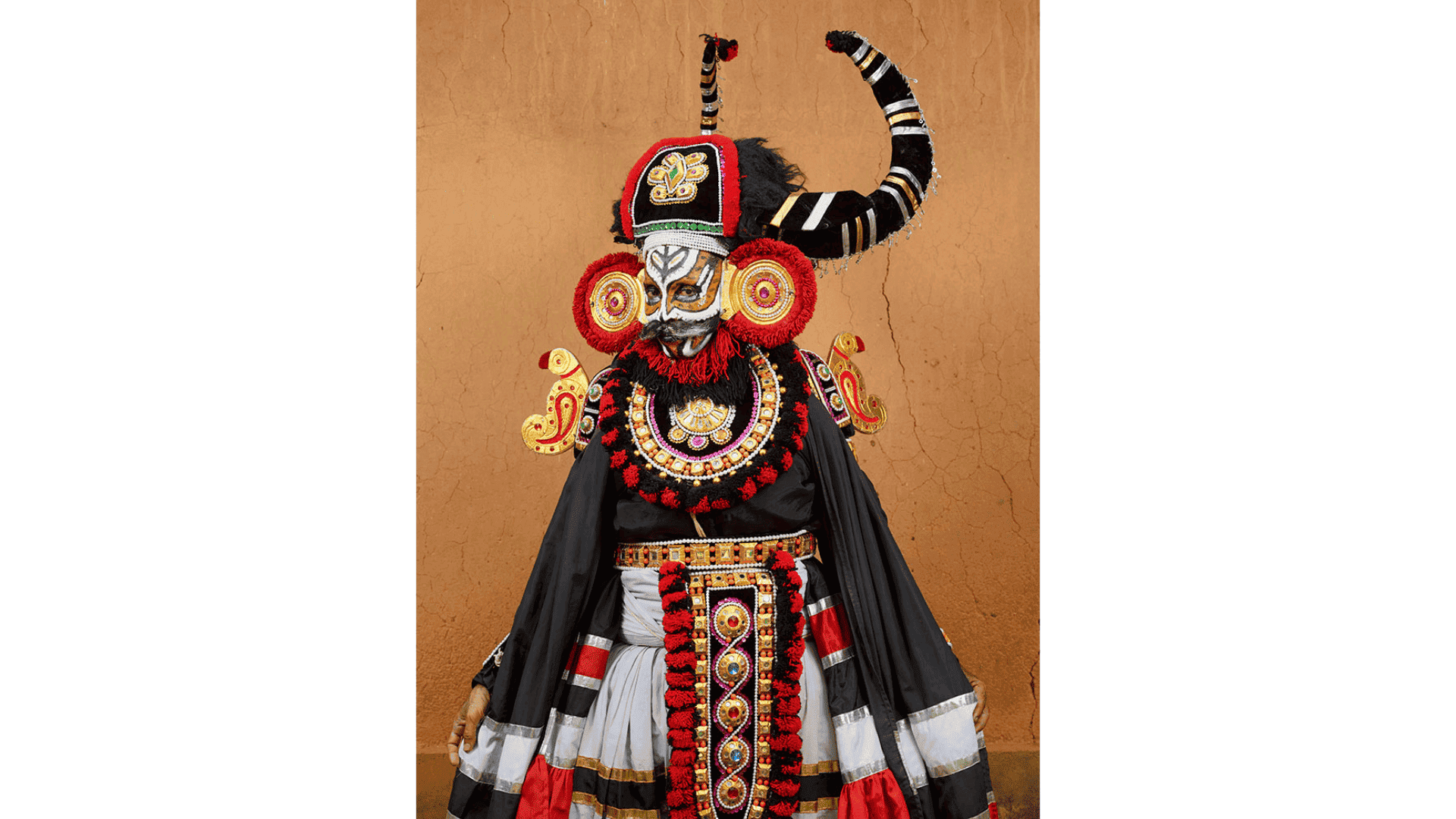
Prendendo le distanze dalla ritrattistica come l’aveva praticata fino ad allora: dopo l’uniforme, in connessione con la comunità, si è rivolto al costume come veicolo per incarnazioni di un divenire-animale, vegetale. Dal 2010, ha dedicato quattro libri alle mascherate: Wilder Mann, dedicato al continente europeo (2010-), Yokainoshima (2013-2015), ambientato nell’arcipelago giapponese, Cimarron (2014-2018) ancorato nei territori delle Americhe e infine Aam Aastha (2019-2022), in India.
Parallelamente, dal 2015, esplora un’altra strada, attraverso la fotografia in silhouette. Prende come soggetto le figure di una cultura visiva comune. Tra queste, Giovanna d’Arco e la sua epopea. Essenzializzando la figura nei suoi contorni, il soggetto diventa l’immagine e la sua fortuna storica: non più la figura di Giovanna, ma le sue rappresentazioni, i suoi “usi”. Il lavoro si nutre di ricerca iconografica, mescolando deliberatamente l’erudito e il popolare, fondendo il medievale e il XXI secolo.
Charles Fréger, nato nel 1975, vive in Normandia, Francia. Negli ultimi anni ha esposto al Musée d’histoire de Nantes, al Musée des confluences (Lione), alla Fondazione Armani (Milano) e ai Rencontres d’Arles. Nel 2023 sono stati pubblicati tre libri: Aam Aastha, Incarnations et divinités en Inde (Thames & Hudson/Actes Sud/ Seigensha); La Suite basca (L’Artière); Ricordi d’Alsazia (Musées de Strasburgo).
Negli ultimi vent’anni circa, Charles Fréger ha sviluppato un corpus di opere denso e singolare, con ambizioni quasi enciclopediche. L’ampio corpus di fotografie che ha accumulato dal 1999 testimonia la sua insaziabile ricerca: entrare nelle comunità, siano esse sportive, militari, festive o scolastiche, per considerare gli individui che le compongono, per individuare i legami, i rituali e le forme che le uniscono. In ognuno di questi ambiti, Charles Fréger si concentra sul corpo e sull’abbigliamento come territori ambivalenti. Lì, quindi, risiede l’immagine che cerca. A lungo riunita sotto il titolo generico di “Ritratti fotografici e uniformi”, l’opera si è inizialmente rivelata erede di una certa tradizione nordica. Arricchita da performance e video, si è evoluta, raggiungendo infine una dimensione fondamentalmente teatrale.