Italo Zannier (Spilimbergo, 1932) is an Italian photographer and photography historian, and the first person in Italy to hold a university chair in “History of Photography.” His first steps in the art world took place during his youth through his engagement with the Neorealist movement; He initially experimented with Super 8 short films before dedicating himself fully to photography, documenting the effects of globalization on Italian society.
In 1955, he founded the Gruppo Friulano per una Nuova Fotografia (Friulian Group for a New Photography), drafting a decisive manifesto aimed at moving beyond aesthetic formalism and the pursuit of “beauty” in favor of experimental and analytical practices focused on sociological and environmental research. This signaled a major shift in the Italian photographic landscape, laying the groundwork for a new generation of artists. Following this poetic vision, he worked initially in Friuli (1952–65) and later across the entire national territory, focusing particularly on the coastlines and mountains (1967–76).
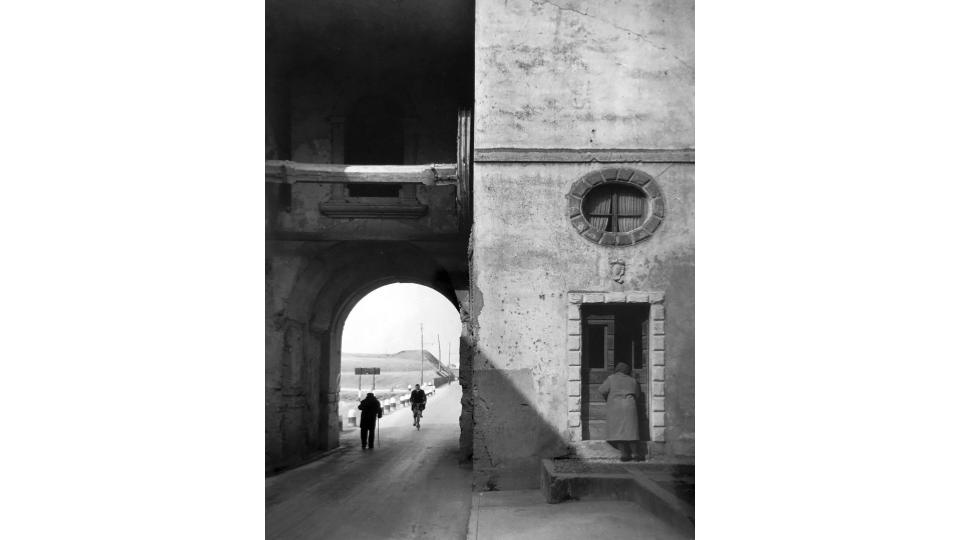
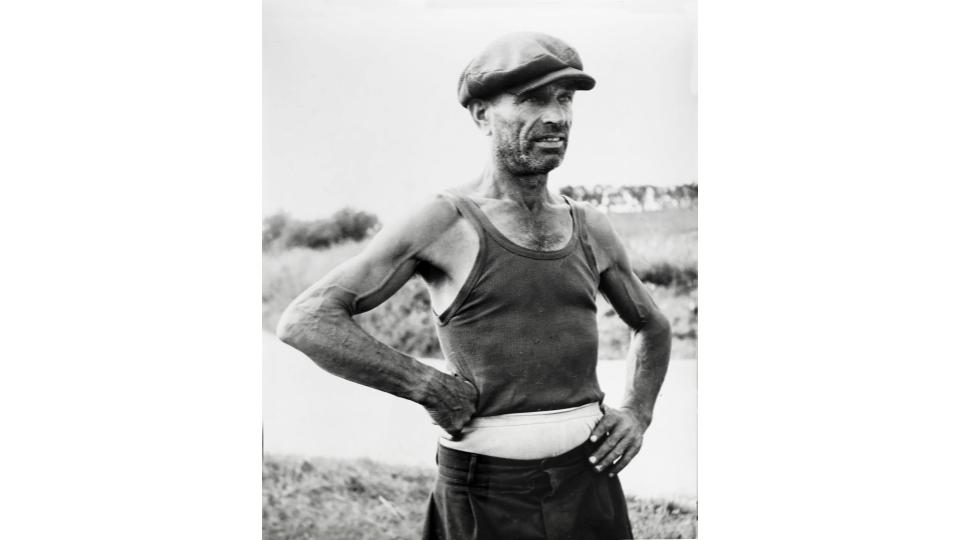
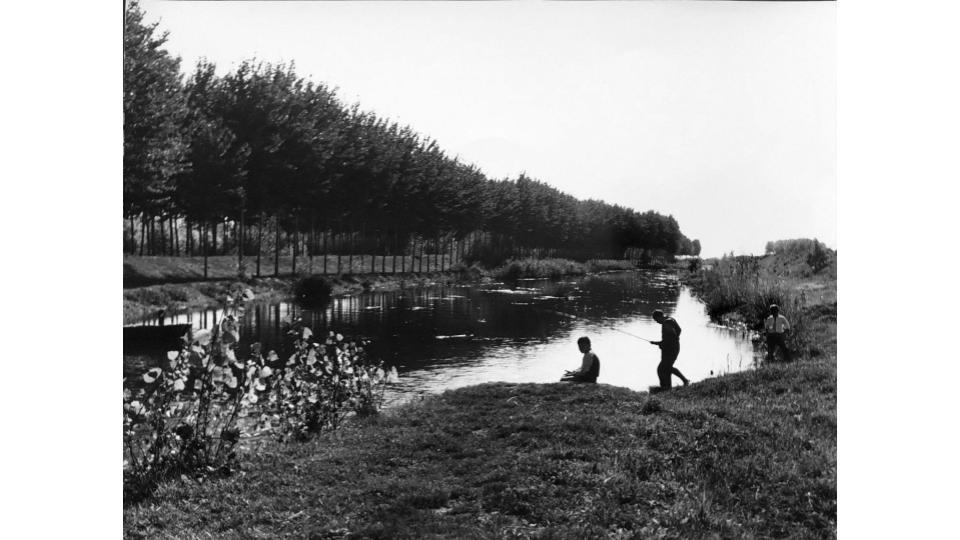
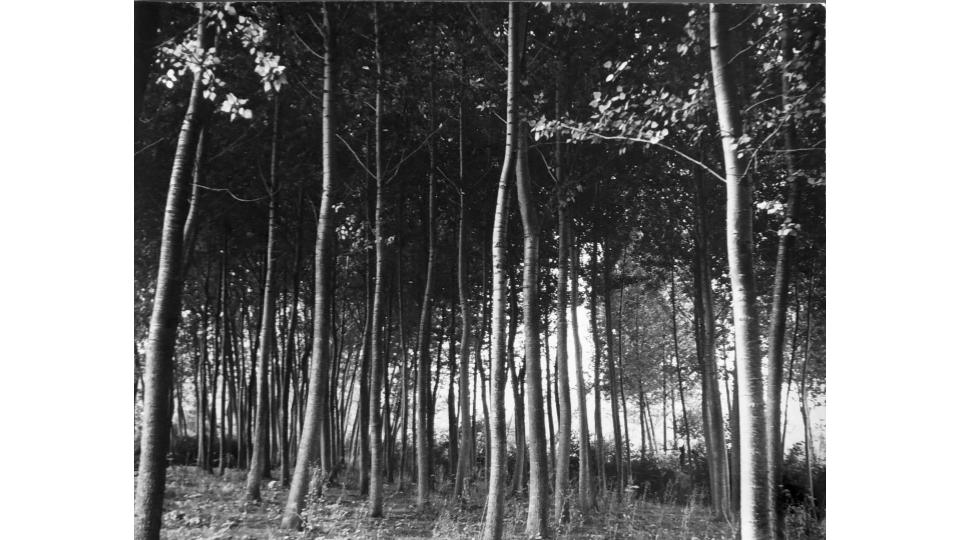
His shots create a critical narrative, using an approach that aims to transcend mere documentation to offer an incisive commentary on society. He chronicles his region’s transition from a predominantly agricultural economic framework to an industrial one, capturing a landscape on the verge of disappearing. His photographs have become “relics” to be passed down, not only due to the passage of time but also because of the devastating 1976 earthquake that struck the lands closest to his heart.
Zannier has participated in several international exhibitions (La fotografia, in Paesaggio mediterraneo, Seville Expo, 1992; The Italian Metamorphosis, New York, Guggenheim Museum, 1994, and Wolfsburg, Kunstmuseum, 1995; L’io e il suo doppio. Cent’anni di ritratto fotografico in Italia, Venice Biennale, 1995). In 2012, a major retrospective of his photographic work, titled Italo Zannier: la sfida della fotografia (Italo Zannier: The Challenge of Photography), was held in Pordenone.