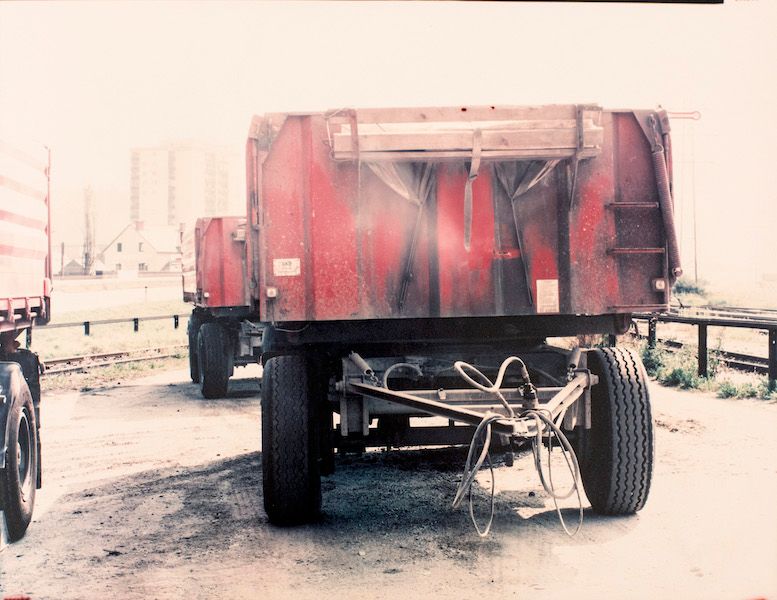
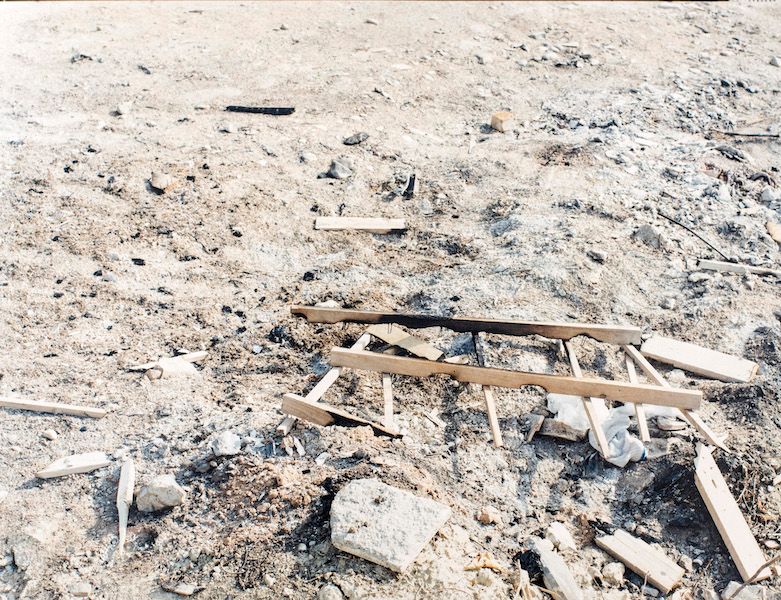
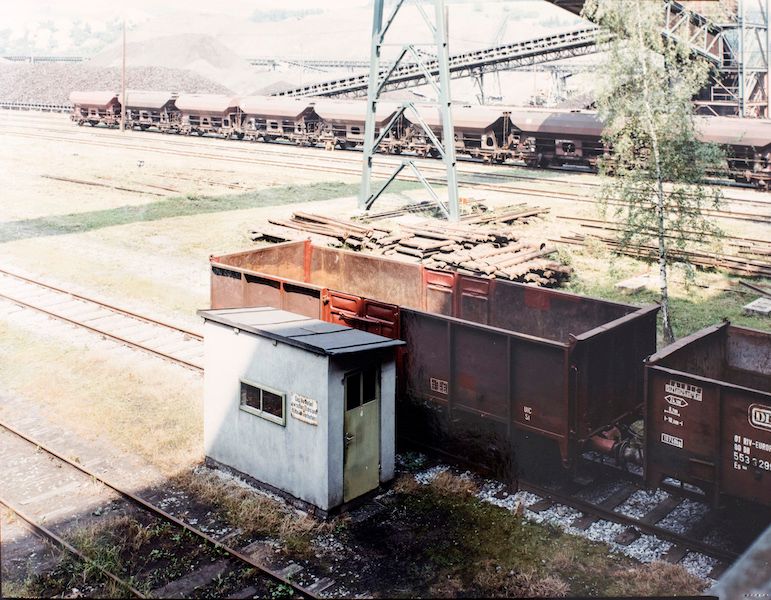
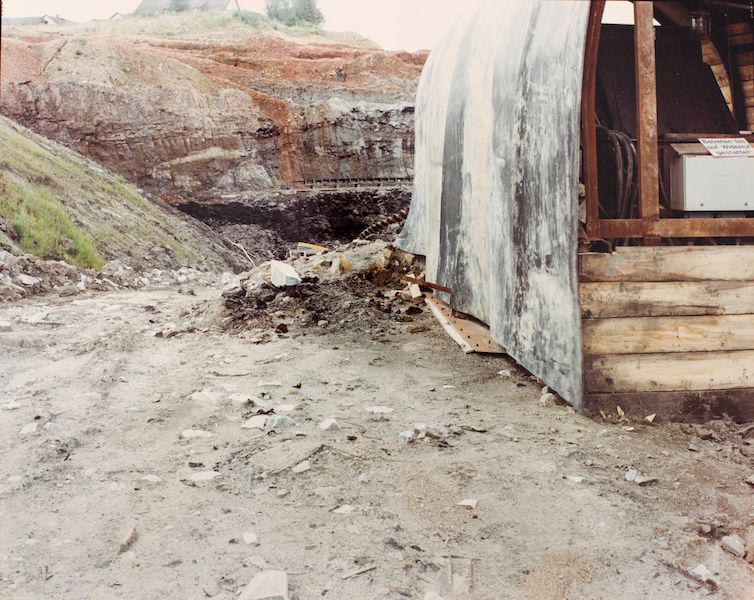
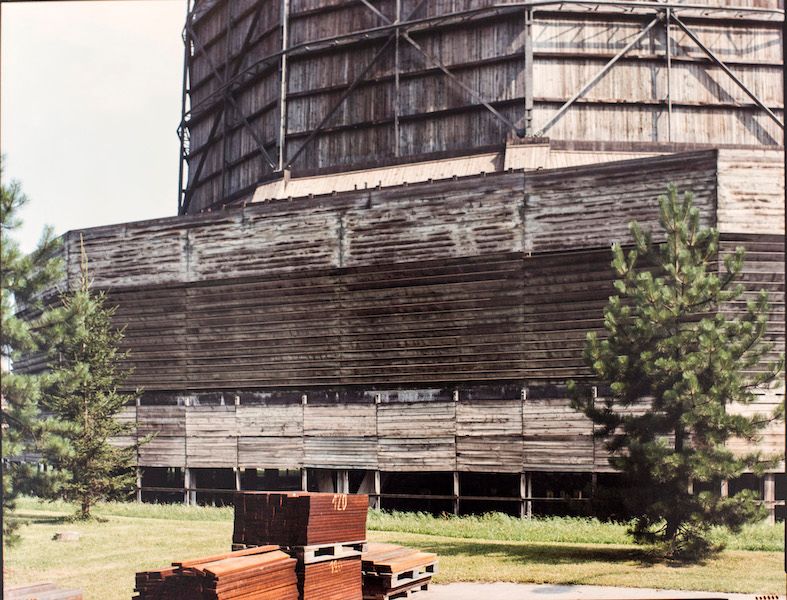
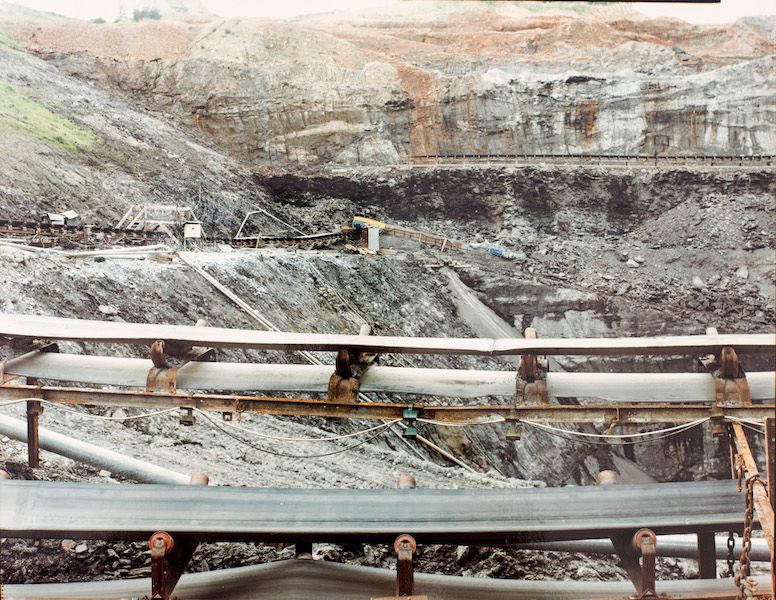
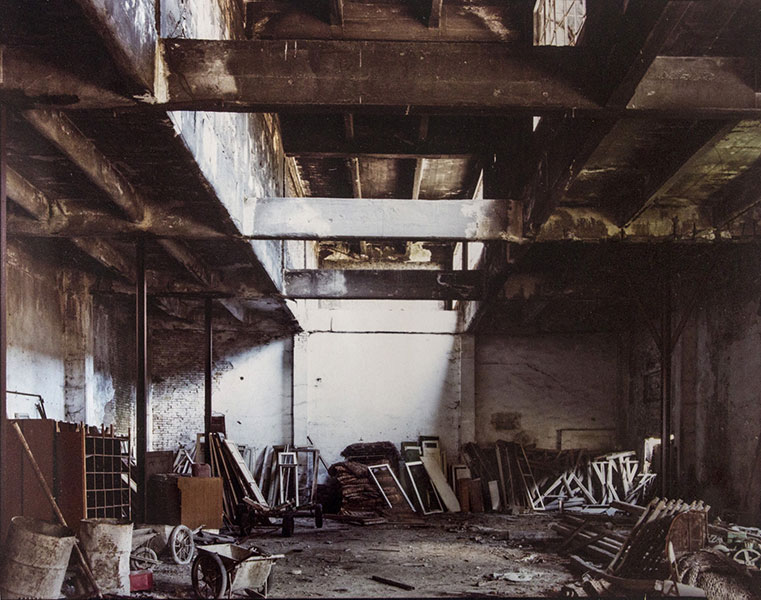
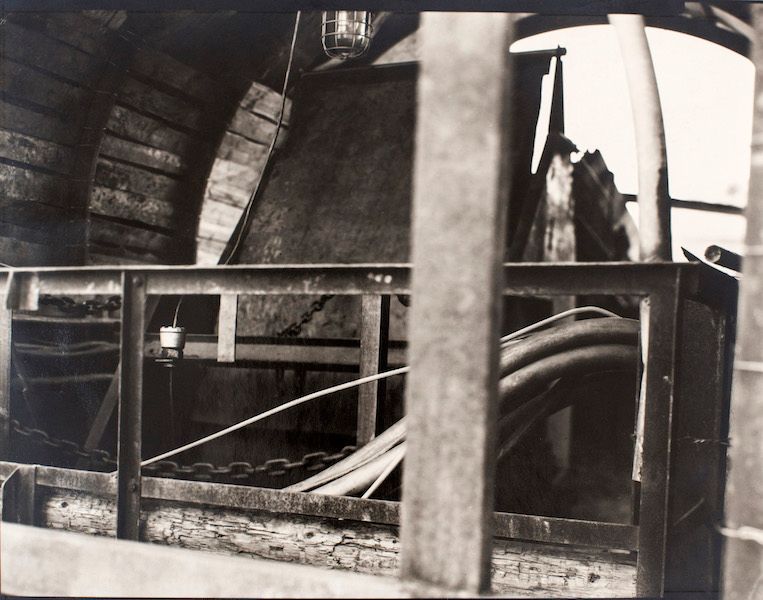
Guido Guidi (born in 1941 in Cesena) is an Italian photographer whose practice is distinguished by a slow and contemplative attention to space and its transformations.
Trained in architecture at the Istituto Universitario di Architettura di Venezia, he directed his research toward the landscape and its traces, focusing on transitional places, peripheral areas, and details of everyday life. In his work, the landscape is never spectacular; instead, it becomes a space for quiet observation, where each element contributes to a reading of reality.
His photography is based on a balance between rigor and simplicity: the use of natural light, careful composition, and a strong sensitivity to time give his images an essential and reflective character. This approach connects his work to the tradition of contemporary landscape photography and to the “New Topographics” movement, from which he draws important references.
He participated in significant collective projects, including Viaggio in Italia (1984), which marked a turning point in redefining the representation of the Italian landscape.
His career has developed through international exhibitions and teaching, making him a point of reference for several generations of photographers and contributing to redefining how space is seen and represented.